Understanding the role of Local Community Development Committees
Local Community Development Committees help coordinate many of the programmes, grants and partnerships that support communities across Ireland. Their work covers everything from social inclusion initiatives to community facilities, volunteer supports and local development projects.
Every county and city has a Local Community Development Committee, known as an LCDC. These committees bring together public bodies and community organisations to focus on local priorities and help ensure that community supports are planned in a joined-up way.
What is a Local Community Development Committee?
Local Community Development Committees were established in 2014 to plan and coordinate community development work at local level. Their focus is on improving quality of life, supporting social inclusion and helping communities access the services and resources they need.
Each LCDC includes representatives from the local authority, state agencies, local development companies, and the community and voluntary sector. By bringing these organisations together, the committee can look at local needs from different angles and make better decisions about where support is required.
Because the LCDC brings many organisations together, it also helps build stronger partnerships between local groups, service providers and public bodies. This can improve communication, reduce duplication and help projects achieve more.
What does the LCDC do in the local community?
One of the LCDC’s main roles is to look at the social and economic needs of the area and help decide where community effort and support should be focused. This allows local priorities to shape how community programmes are delivered.
“The LCDC gives organisations an opportunity to work together around the needs of the local community,” said Fiona Ní Chuinn, Chief Officer with Roscommon LCDC. “It helps connect community groups with supports and funding opportunities, while also making sure local priorities are reflected in the programmes and services being delivered in the area.”
The LCDC is also responsible for preparing and helping deliver the community elements of the Local Economic and Community Plan. This plan sets out long-term goals for the county or city in areas such as social inclusion, community wellbeing, employment supports and sustainable local development.
Alongside this planning role, the LCDC oversees the local delivery of a number of important national and local initiatives designed to strengthen communities and support people who may be disadvantaged.
Key community programmes supported by the LCDC
As part of this work, the LCDC helps coordinate a number of national programmes at local level, ensuring that funding and supports are directed towards the needs of communities in the area.
Social Inclusion and Community Activation Programme (SICAP) supports disadvantaged individuals and communities by improving access to education, employment, social supports and community participation.
LEADER Rural Development Programme provides funding for rural projects that improve local enterprise, tourism, community facilities, environmental initiatives and quality of life in rural areas.
Local Enhancement Programme (LEP) provides grants to community and voluntary groups to assist with running costs, equipment and small improvements to local buildings and services.
Healthy Ireland Initiative supports local projects that promote physical health, mental wellbeing, healthy lifestyles and stronger community connections.
How the LCDC supports community groups and local projects
These programmes allow the LCDC to channel funding and support towards a wide range of local needs. This can include improvements to community centres, supports for volunteer organisations, youth and family initiatives, inclusion projects, and employment or training schemes.
Local groups can apply for assistance to improve shared spaces, run activities, purchase equipment or deliver services that respond directly to the needs of people in the area. In many cases, this funding helps community organisations expand what they can offer.
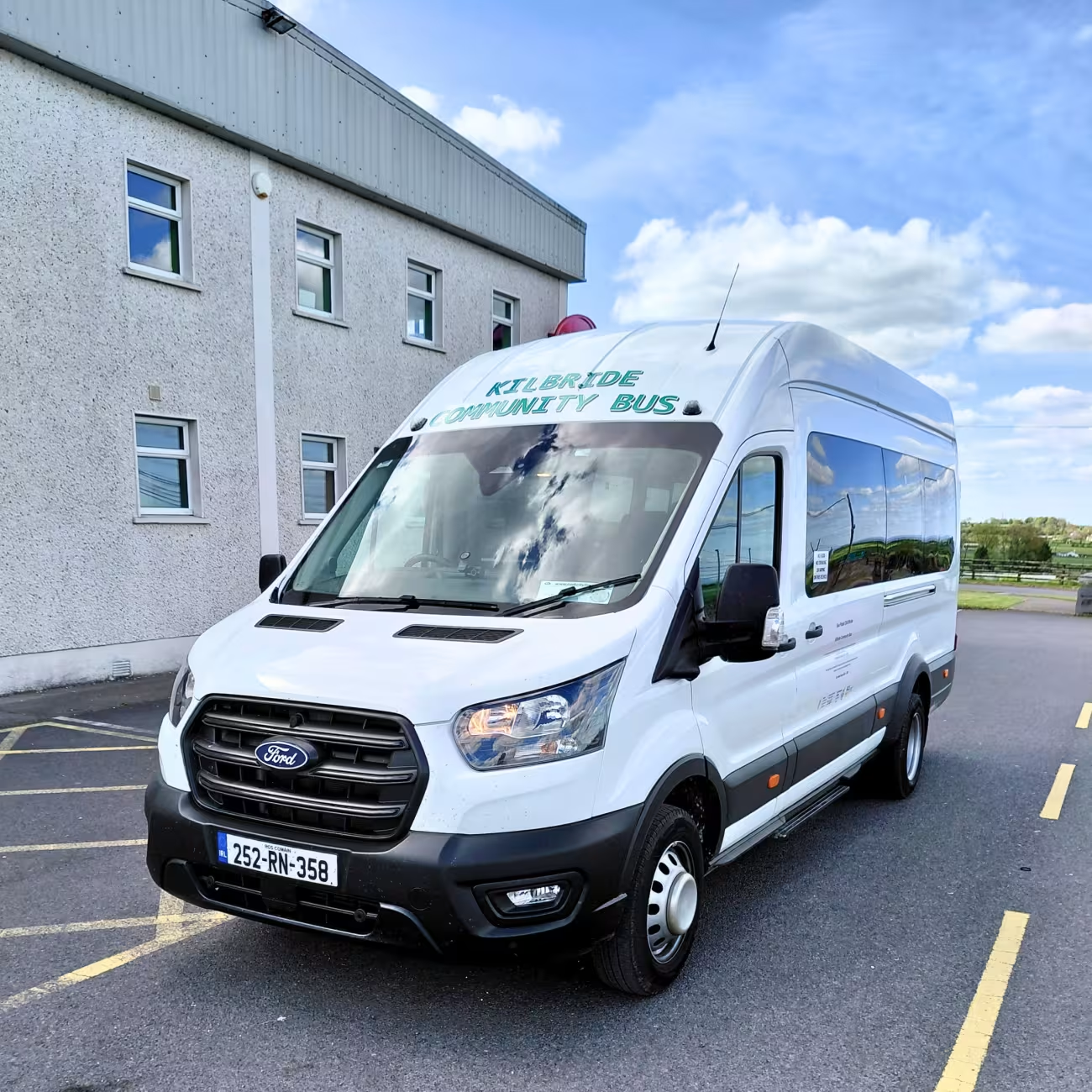
One example of this support can be seen in Kilbride, Co. Roscommon, where funding approved through Roscommon LCDC under the Community Recognition Fund helped provide a new accessible community bus for local residents. The 17-seater bus supports older people, people with disabilities and community groups, helping them access healthcare, shopping, training and social activities.
“Projects like this show how local community funding can make a real difference to everyday life,” Fiona says. “The new community bus is helping people stay connected, access services and take part in community activities. It is also supporting people who may otherwise struggle with transport or social isolation.”
How communities benefit from the work of the LCDC
Communities benefit when local funding and services are shaped around real local priorities. The LCDC helps ensure that resources are directed towards the areas where they can make the biggest difference.
That can lead to stronger community organisations, better local facilities, improved access to supports and more coordinated services for residents. It can also help ensure that disadvantaged communities receive focused attention through programmes designed to improve inclusion and opportunity.
By planning locally, coordinating funding and supporting partnerships, Local Community Development Committees help communities become stronger, better connected and better equipped to meet local needs.
You can contact your LCDC through your local authority.
Each LCDC also has its own web page, and these are listed on the Find Your LCDC page on Gov.ie.