Behind the scenes at Ireland’s St Patrick’s Day parades
Thousands of people throng the streets every St Patrick's Day to enjoy parades, music and pageantry. But preparation for the event begins months beforehand. We take a look at the vital work local authorities undertake to make St Patrick's Day such a success.
How St Patrick’s Day parades became a national tradition in Ireland
Although St Patrick’s Day has been celebrated in Ireland for a very long time, the street parades that form the heart of the festival didn't come about until the 20th century.
After St Patrick’s Day became an official public holiday in 1903, local authorities played an important role in organising and supporting public celebrations. These gradually evolved into the large community parades held across the country today.
Across Ireland, local city and county councils continue to work with other public bodies, community groups and volunteers to organise celebrations that bring people together each year.
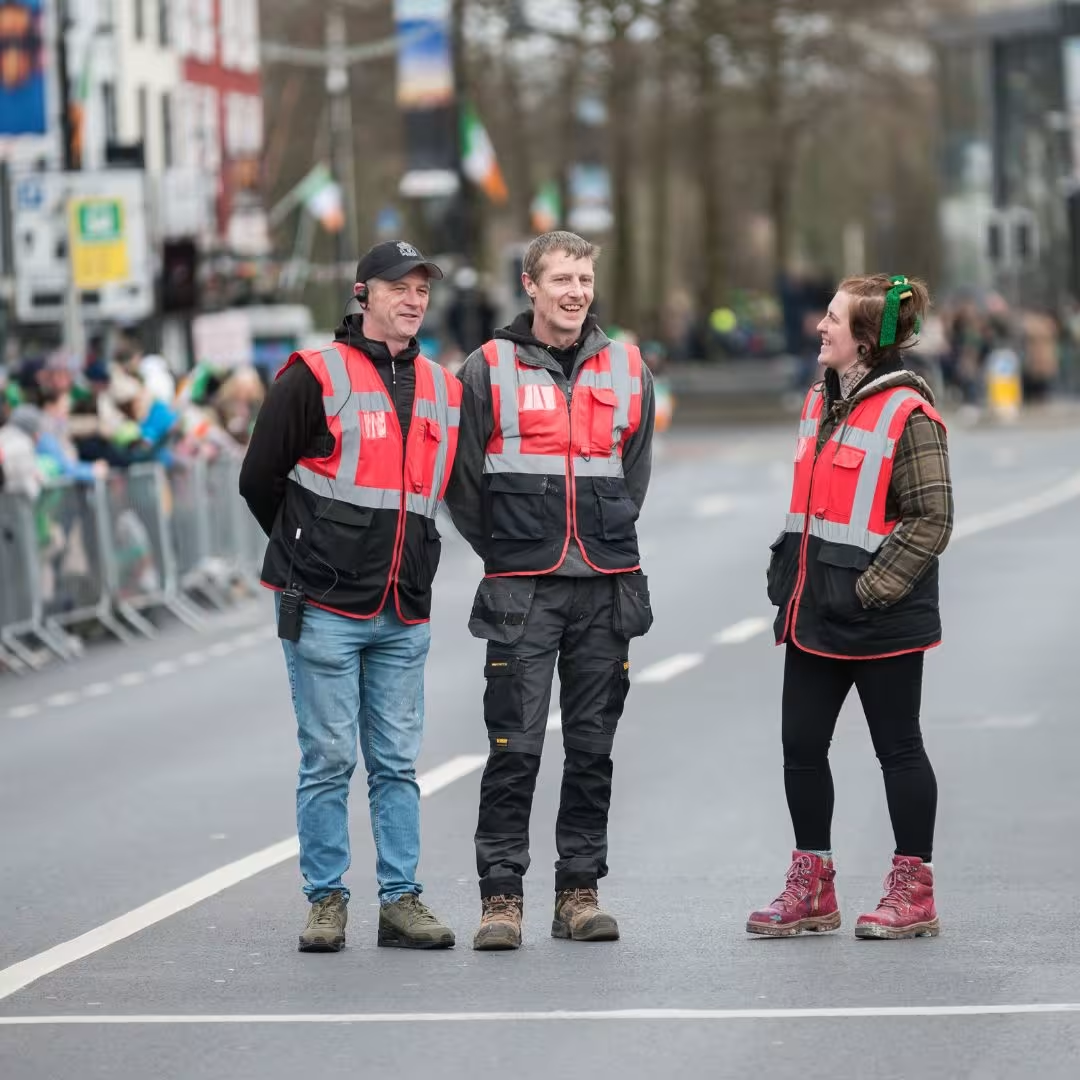
St Patrick’s Day takes months of preparation behind the scenes
It's not a simple task. Months of planning and preparation are required to ensure the events run smoothly. Local authority teams coordinate closely with Gardaí, emergency services and other statutory bodies to create events that are not just fun but also safe and well organised. Given the amount of people that the festivals attract, the time spent on preparation is very important.
Planning often begins in the autumn. Parade routes must be agreed, roads closures arranged and sponsors confirmed. As the new year begins, preparations intensify. Organisers finalise the programme and complete the operational planning needed for large public events. Organisers also work with participating groups to coordinate the running order of the parade so everything can proceed smoothly on the day.
Waterford’s St Patrick’s Day festival brings five days of celebration to the city
According to festival director Johnny Codd, the planning for Waterford's St Patrick's Day celebrations begins around six months before the day itself.
Due to the popularity of the festival, the work involved has become complex. "What used to be a single-day event has now grown into a much larger festival, " he says. This year the celebrations in Waterford will run for five days, starting the Friday before and building towards the big day on 17 March.
This extended programme includes live music, street performances and family-friendly activities. Over 100 performers will take part, including Spraoi, the renowned street arts and spectacle company.
All told, around 20,000 spectators are expected in Waterford for the festival, making careful planning essential. Organisers coordinate with emergency services and the HSE while ensuring that all regulatory and health and safety requirements are in place.
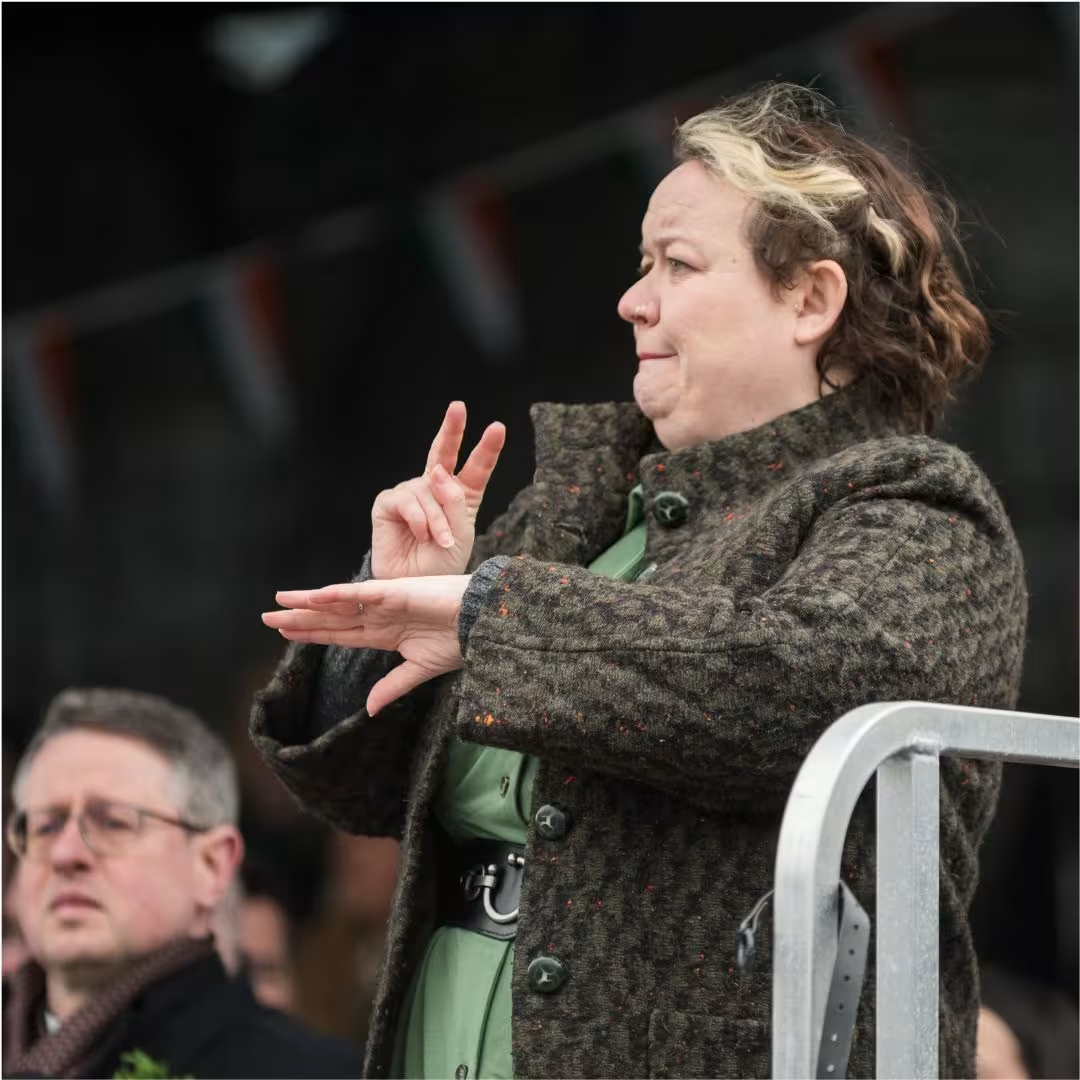
Inclusivity and accessibility are central to how the festival is organised, according to Codd. "We work very closely with disability groups and we use the Guide to Inclusive Decision Making to shape the event," he says.
Efforts are made to create an autism-friendly environment, and the main stage will include an Irish Sign Language interpreter. Waterford City and County Council strives to ensure the celebrations are welcoming to everyone.
Dún Laoghaire’s St Patrick’s Day parade grows into a major event
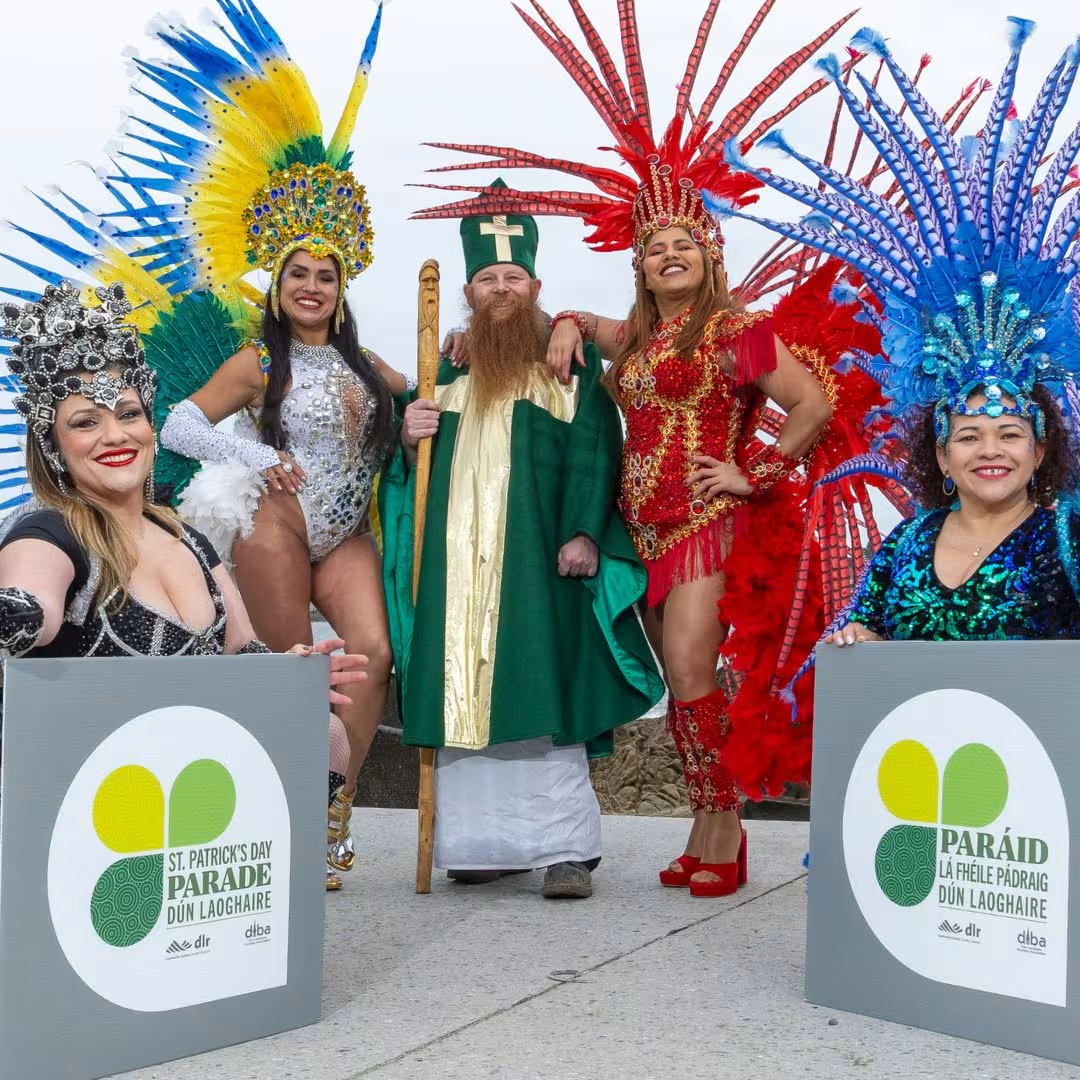
Meanwhile a new St Patrick’s Day festival has been gaining fans in Dún Laoghaire. The festival was started by Dún Laoghaire-Rathdown County Council only two years ago as part of a broader move to develop the range of festivals on offer in the county> It's been growing rapidly since then.
As in Waterford, preparation for the event takes months. "A lot of work goes into creating the pzazz and pageantry," says David Lawless, Tourism Officer for Dún Laoghaire-Rathdown. But all involved are proud to come together to create something special. In 2026, a total of 61 parading groups will take part, with around 3,000 participants expected on the march.
Beyond the parade in Dún Laoghaire itself, events are taking place in nearby Blackrock and Stepaside. There will be live music at a multitude of locations, food markets, and the naval vessel LÉ Samuel Beckett will pay a special visit to the harbour.
Community groups play a central role in making the festival a success, according to Lawless, and bringing these groups on board happens early in the planning process. In 2026 the council is delighted to have local sports clubs, martial arts groups and cultural organisations on the programme, alongside performers from a wide range of backgrounds. There will be traditional pipe bands, a samba band, Brazilian dancers and community groups representing diverse traditions.
The payoff is a day of family fun for thousands of people, as well as a boon to the local economy.
How local authorities help deliver St Patrick’s Day celebrations
For organisers, St Patrick’s Day is the result of months of coordination between many different groups and agencies.
When the parade finally arrives, thousands of people line the streets to enjoy the celebrations.
Once the crowds disperse and the music fades, another important task begins. Local authority street-cleaning teams move in quickly to tidy the streets and return towns and cities to normal.
St Patrick’s Day parades bring communities together across Ireland
For spectators, a parade may last only an hour or two. But behind the scenes it represents months of preparation and the combined efforts of community groups, organisers and public services working together.
Each year, these celebrations offer a chance for communities across Ireland to come together and proudly mark the country’s national day.