Why hedge trimming stops on 1 March
By law, hedge trimming must stop every year from 1 March to 31 August. This helps protect birds, bees and other wildlife while they nest and feed. Here’s why this closed season matters, and how local authorities work to promote biodiversity.
Why hedges are so important
From 1 March until 31 August every year, it's illegal to cut, grub, burn or otherwise destroy most hedgerows in Ireland. These restrictions are put in place because hedges are very important for wildlife.
Hedges provide:
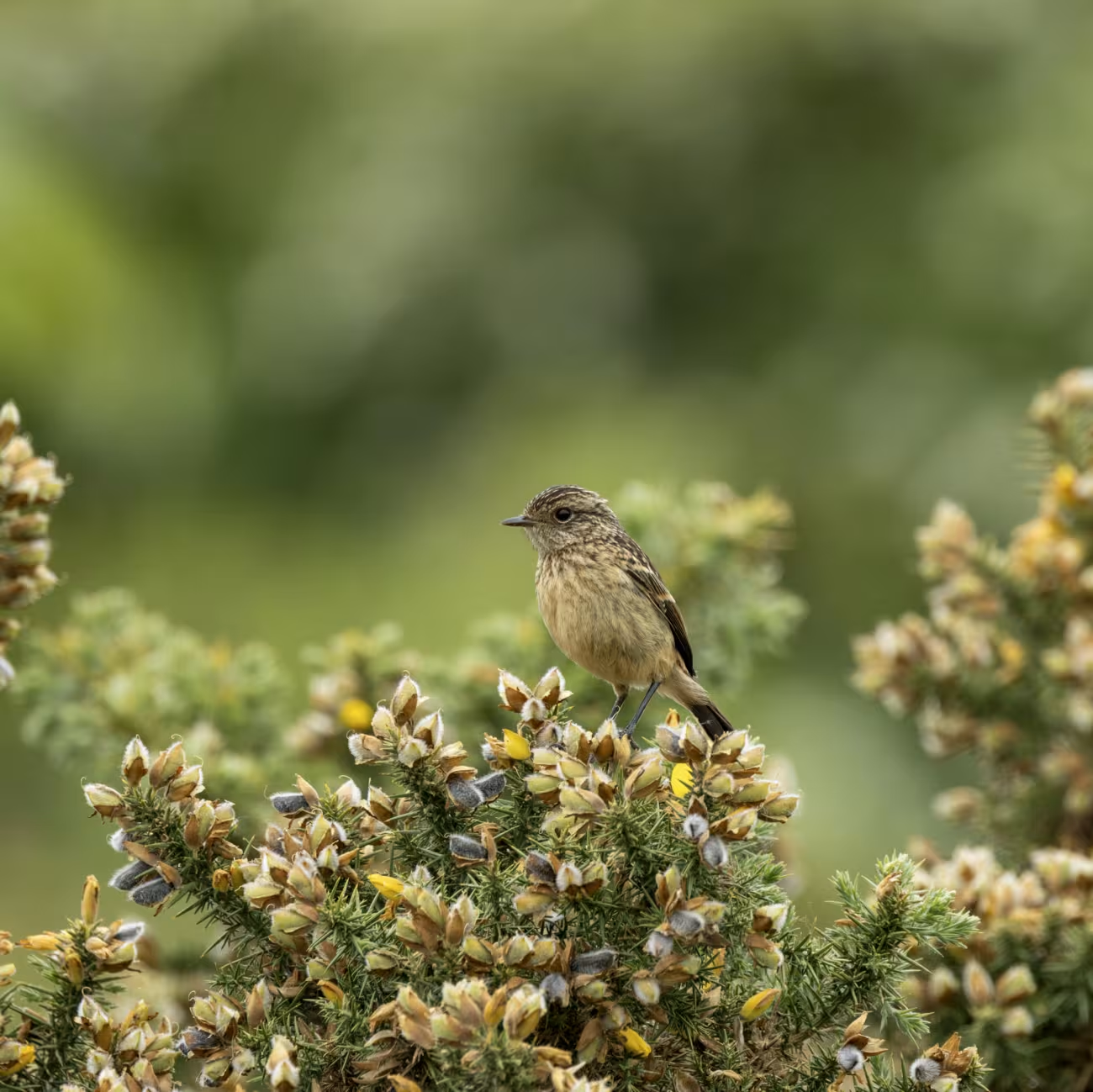
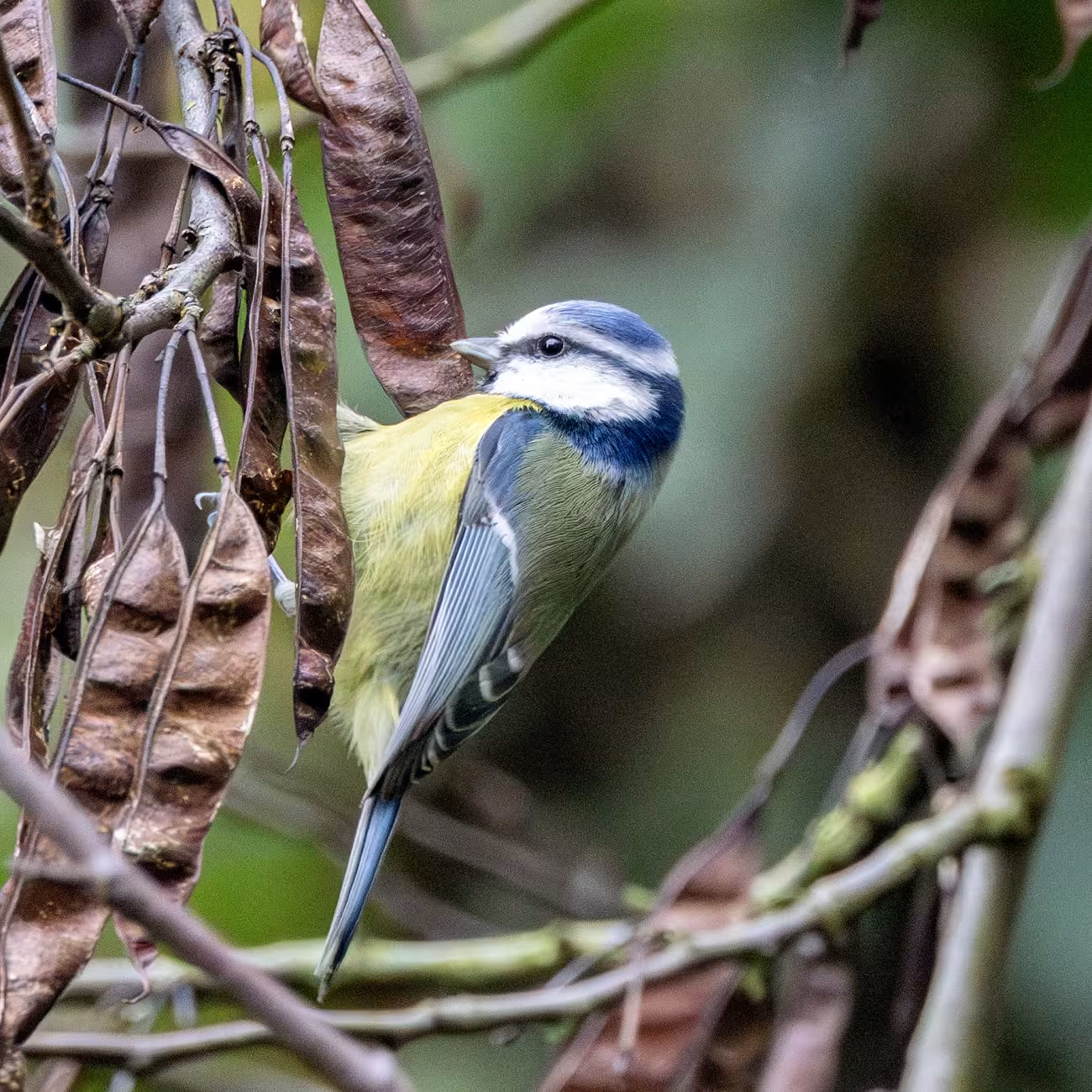
- Nesting sites for birds during the breeding season
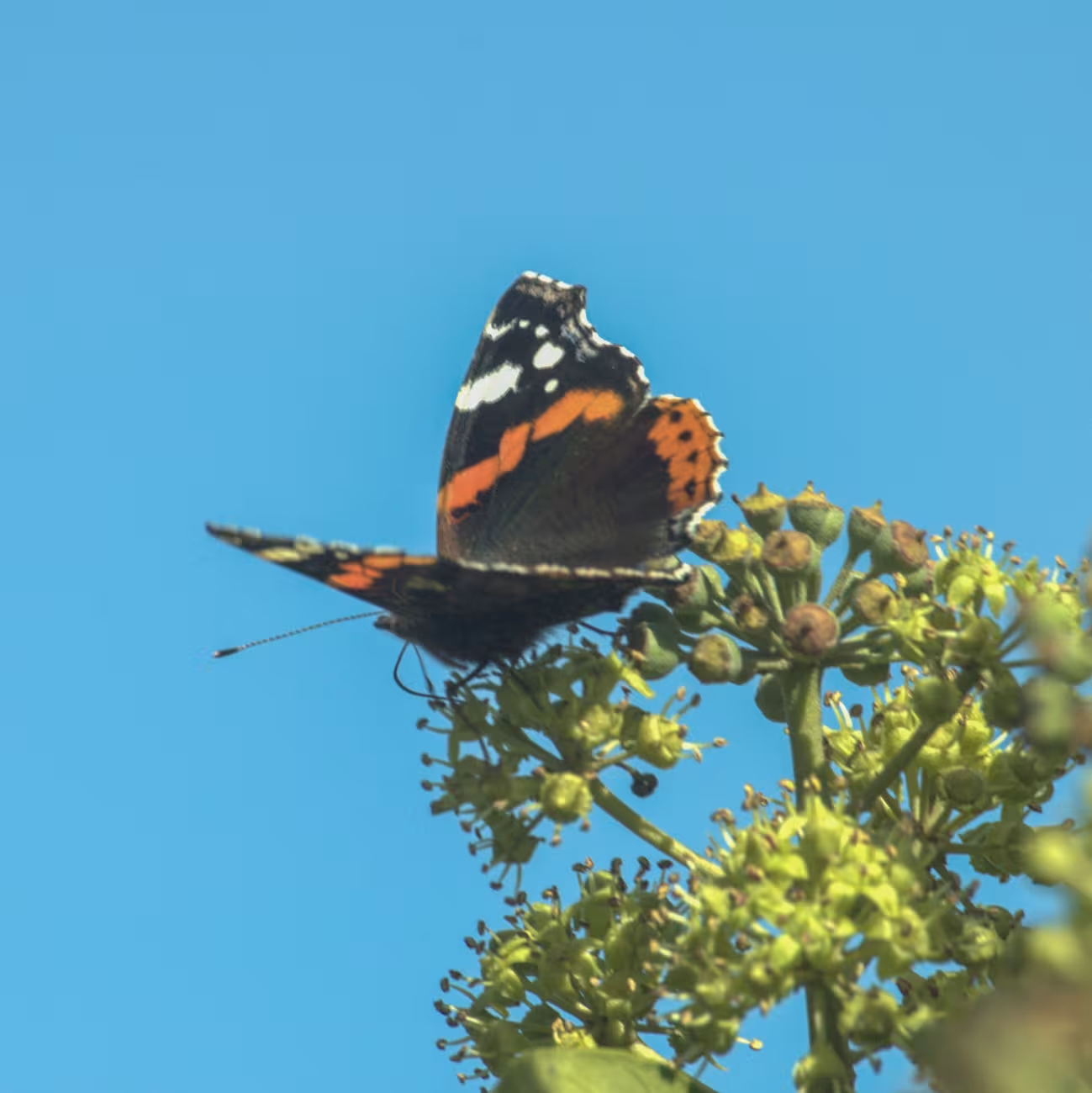
- Food sources for pollinators such as bees and butterflies
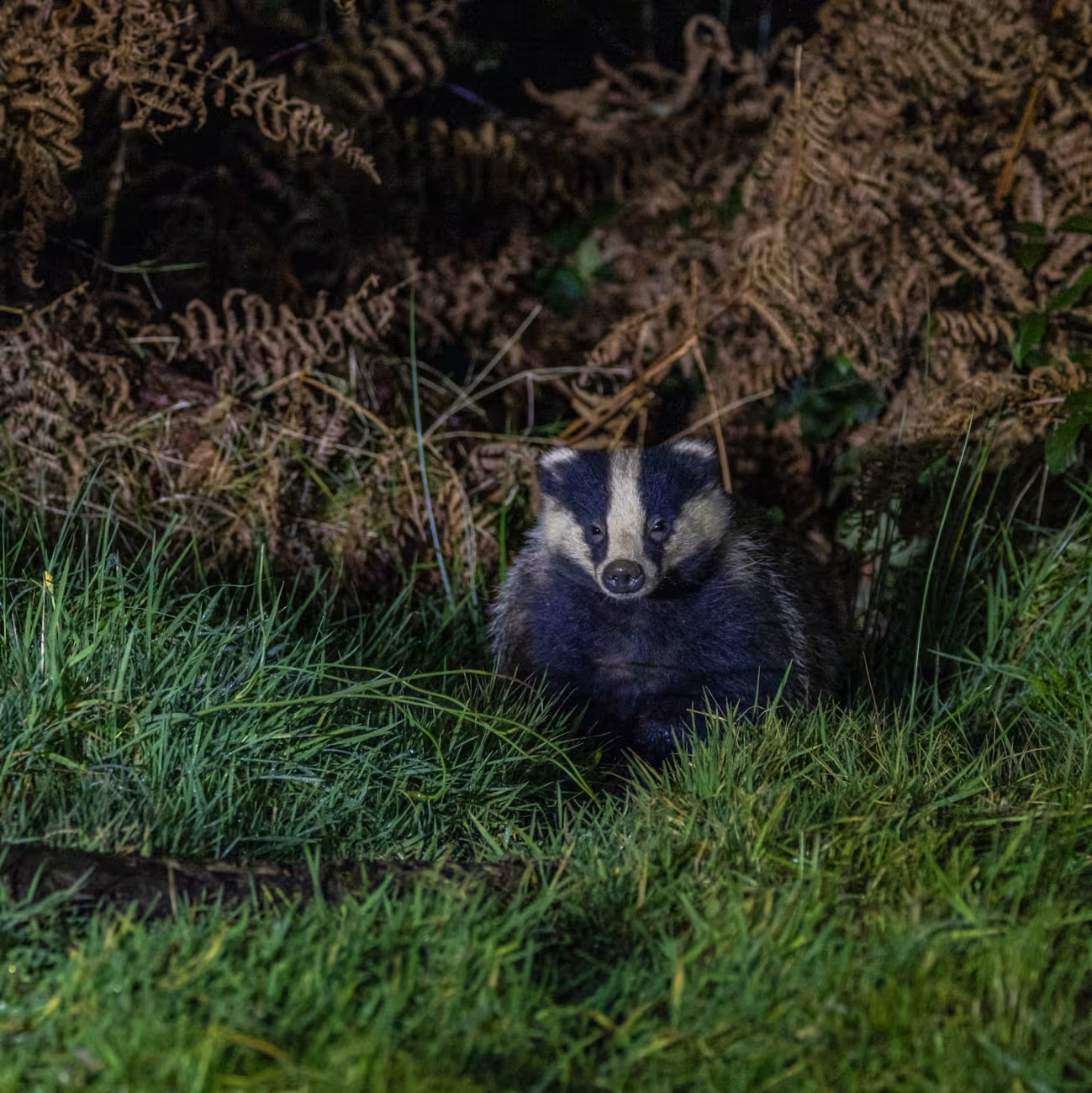
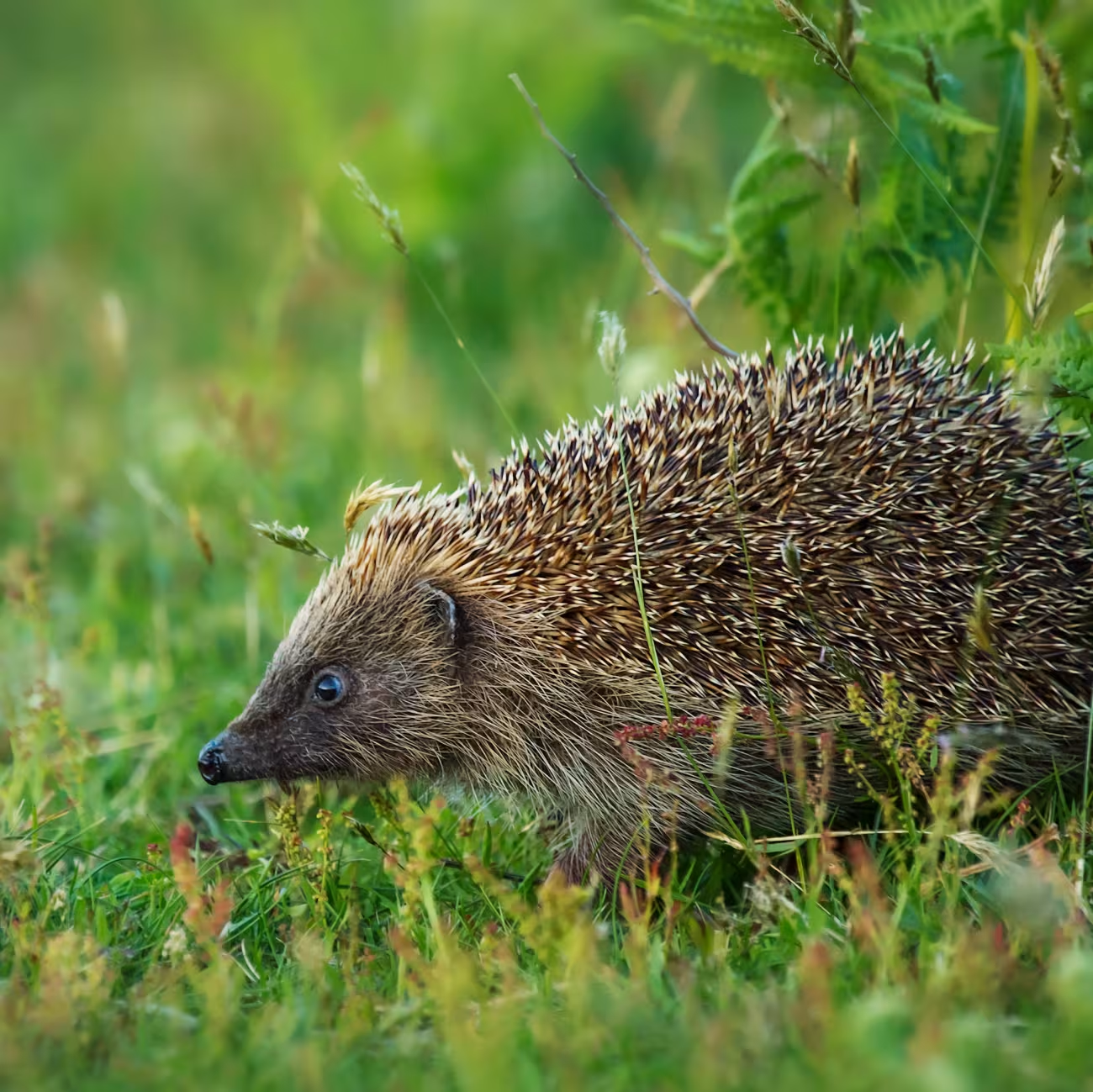
- Shelter for mammals including hedgehogs and bats
- Wildlife corridors that connect habitats across the countryside
Ireland has one of the densest hedgerow networks in Europe. In many areas, hedges function as “mini woodlands”, supporting hundreds of plant and animal species in a relatively small space.
Spring and summer are key months. Birds build nests deep within the hedge growth. Early blossoms such as blackthorn and hawthorn provide nectar for pollinators emerging from winter. Cutting during this period can destroy nests and disrupt entire local ecosystems. The closed season exists to protect vulnerable wildlife.
What the law says
Under the Wildlife Act 1976, hedgerow cutting and destruction is generally prohibited from 1 March to 31 August.
There are limited exemptions. For example:
- Work may be carried out where necessary for road safety.
- Certain agricultural activities are permitted under specific conditions.
But apart from these exemptions, cutting hedgerows during the closed period can result in penalties. So if you own or manage hedgerows it's important to be aware of the legislation.
The role of local authorities in protecting biodiversity
Protecting hedgerows is just one part of a wider effort to promote biodiversity in Ireland. Local authorities lead and support many initiatives, including:
- Developing and delivering Biodiversity Action Plans
- Managing hedgerows, parks and green spaces on public lands
- Supporting schools, Tidy Towns groups and community organisations with biodiversity projects and training
Much of this work is guided by Local Authority Biodiversity Officers. These specialists collect data, lead conservation projects, develop policy, and provide expert advice to both the local authority and the public. They also play a major role in raising awareness of how everyday actions – including hedge trimming – can affect local wildlife.
The Local Authority Biodiversity Officer Programme, run in collaboration with the Heritage Council, ensures that each local authority has the expertise needed to protect habitats such as hedgerows and to strengthen local ecosystems.
You can learn more about the Local Authority Biodiversity Officer Programme on the Heritage Council’s website.
Hedge trimming and road safety
Road safety is one of the few reasons why hedge trimming is allowed during the spring and summer months. But even with this exemption, landowners are still urged to do most of the work between 1 September and 28 February. This helps protect birds and other wildlife during their most important breeding and nesting months.
Hedges that grow out onto roads can be dangerous. They can block a driver’s view, hide road signs, or make roads and footpaths harder to use. If you own land along a public road, you are responsible for making sure your trees and hedges do not put people at risk.
Barry Kehoe, Chief Executive of Westmeath County Council and Chair of the CCMA Transport, Infrastructure and Networks Committee, explains the balance that city and county councils must manage: "Local authorities fulfil a vital role in maintaining roadside verges and managing local road safety risks, while also safeguarding the biodiversity value of our hedgerows."
He also reminds landowners of their part in keeping roads safe: "Landowners and residents living along public roads have a clear responsibility to ensure that trees and hedges on their property do not create a hazard for people walking, cycling, or driving,” he says. “If overgrowth is obstructing visibility, encroaching onto the roadway, or masking road signs, landowners should take prompt action to address it."
What landowners should keep in mind
If you maintain hedges on your property, you can help protect wildlife by remembering:
- Do routine cutting before 1 March
- Watch for active nests and other wildlife
- Maintain visibility where hedges border public roads
- Ask your local authority for guidance if you’re unsure
A shared responsibility
Hedgerows are part of Ireland’s natural heritage. They shape our landscapes, support biodiversity and contribute to climate resilience by storing carbon and reducing soil erosion. Protecting them is a shared responsibility between landowners, communities and local authorities.
You can learn more about what local authorities do to support biodiversity and the environment on our Environment Services page.