How local authorities tackle illegal dumping
In Ireland, one of the most persistent threats to local environments is illegal dumping. Here’s how local authorities are tackling the issue.
On the ground with a litter warden in Co Louth
Eugene Birch has been a litter warden with Louth County Council for 18 years. He has seen the harm that illegal dumping causes. “It can have a big impact on people living in the area,” he says. “Nobody wants to see dumping in their locality.”
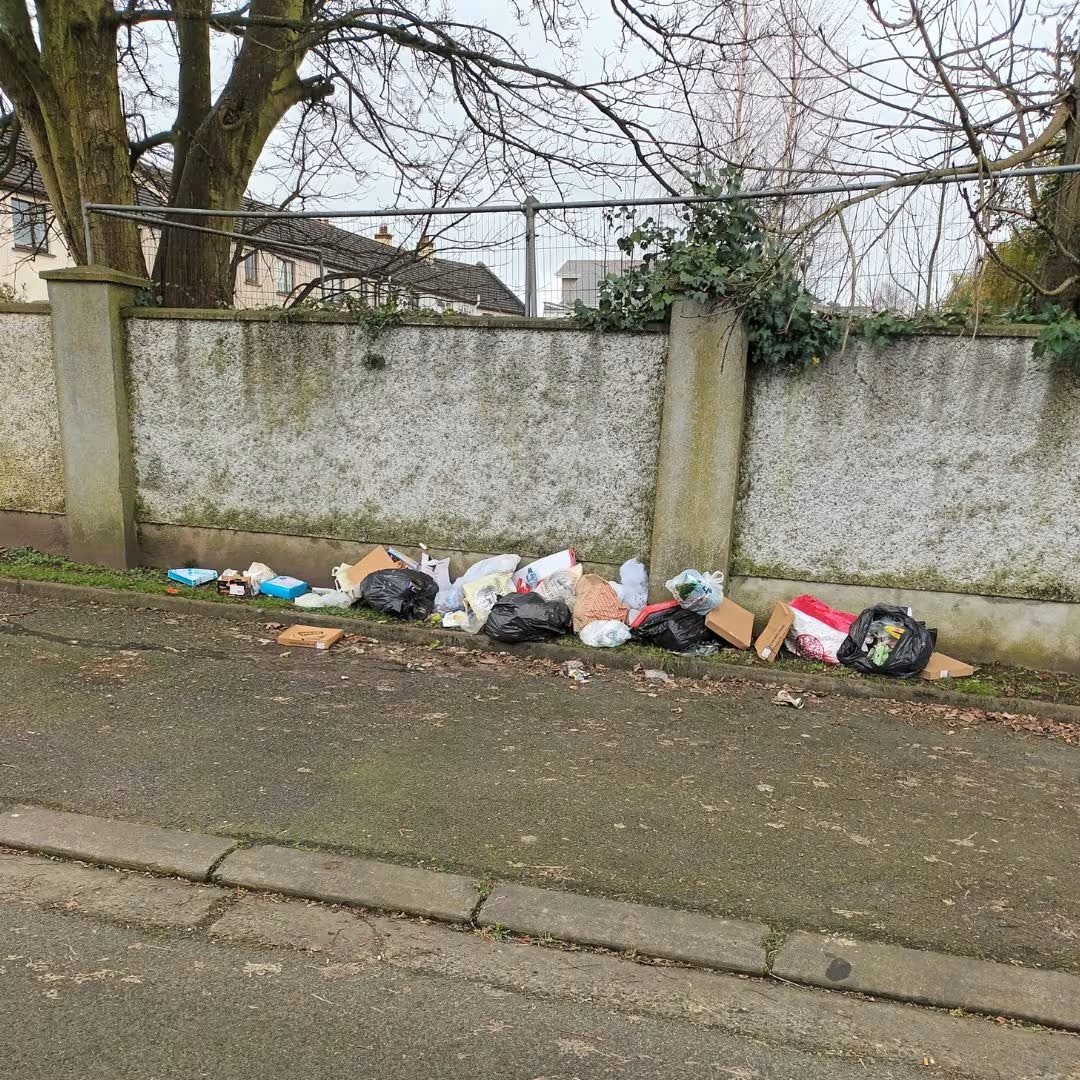
When a report of illegal dumping comes in, Eugene heads out to see what’s been left behind. Black bags, broken items, household waste, often left overnight when dumpers think they won’t be spotted.
As soon as the rubbish is removed, litter wardens go through it systematically, checking for anything that can trace it back to the person responsible. Once dumpers are identified they can be issued with a fine or even brought to court.
Finding evidence is not as easy as it used to be. Dumpers try to avoid leaving letters or bills in the rubbish that could identify them. “People are getting more cute,” Eugene says. “But a serial dumper will eventually trip up.”
Eugene says enforcement is an important part of the job, but it is not taken lightly. “You don’t really want to be bringing people to court,” he says. “But if it’s necessary, you’ll do it.”
Unlicensed waste collectors are risky business
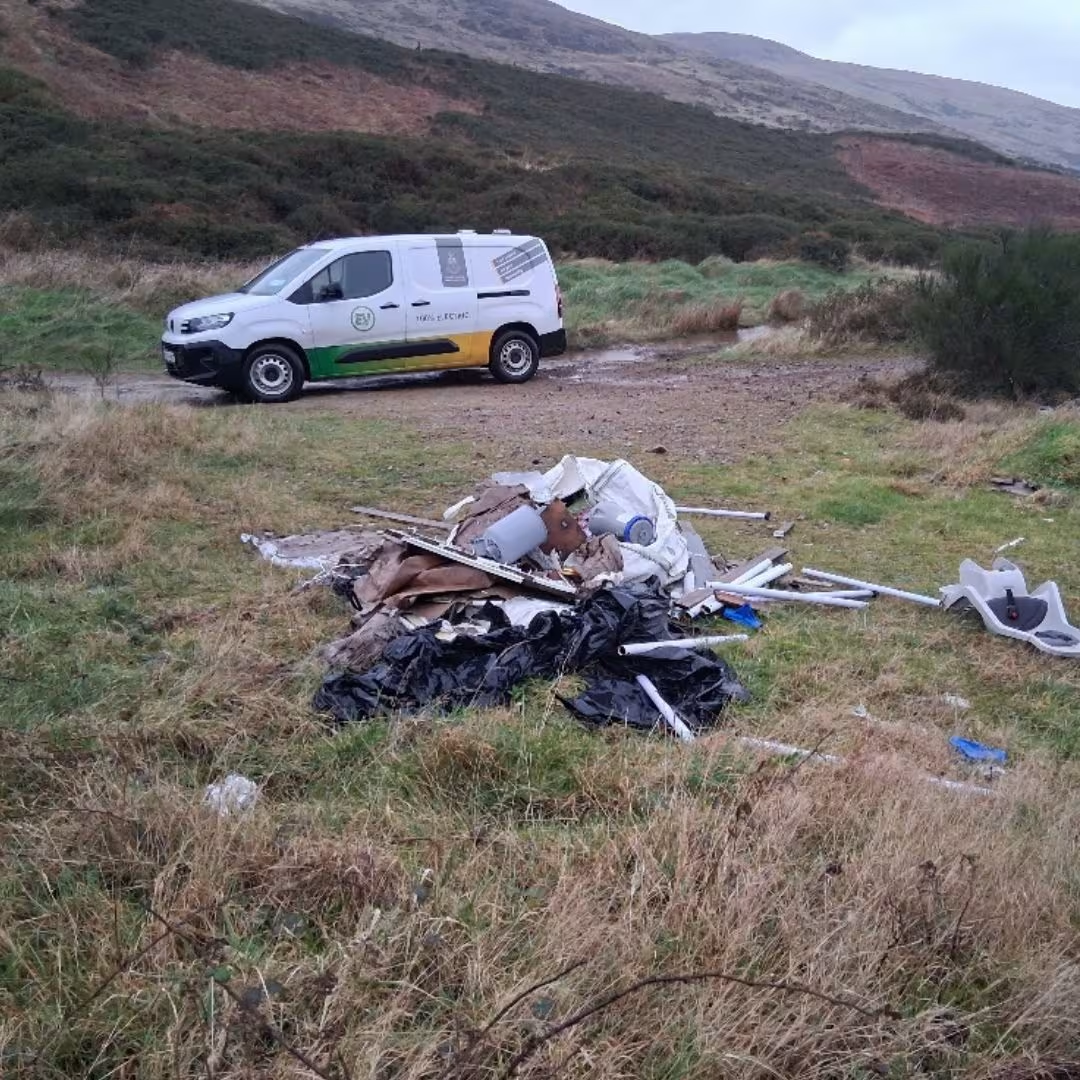
Unlicensed waste collectors are a major factor behind illegal dumping. Most householders use authorised services, but from time to time people may come across someone offering to take waste away at a low cost. It can seem like an easy solution, but waste collected this way is not always disposed of properly.
Margaret Whelan, Environmental Awareness Officer with Kilkenny County Council, says this is a core part of the problem. "We have unregulated operators out there offering a cheap service, which unfortunately is contributing massively to illegal dumping."
Many people don't realise that paying someone to take your rubbish away doesn't end your legal responsibility for it. Under waste legislation, it remains the responsibility of the person who produced it to make sure it is handled and disposed of properly.
This can come as a surprise. People may believe they have done the right thing by arranging a collection, especially if they have paid for the service. But if that waste is later found dumped illegally, they can still face penalties.That is why it is important to use authorised waste collectors. You can check whether a collector is registered at the National Waste Collection Permit Office website (NWCPO.ie) before you hire them. Taking a few minutes to confirm this can help avoid much bigger problems later on.
Support for communities
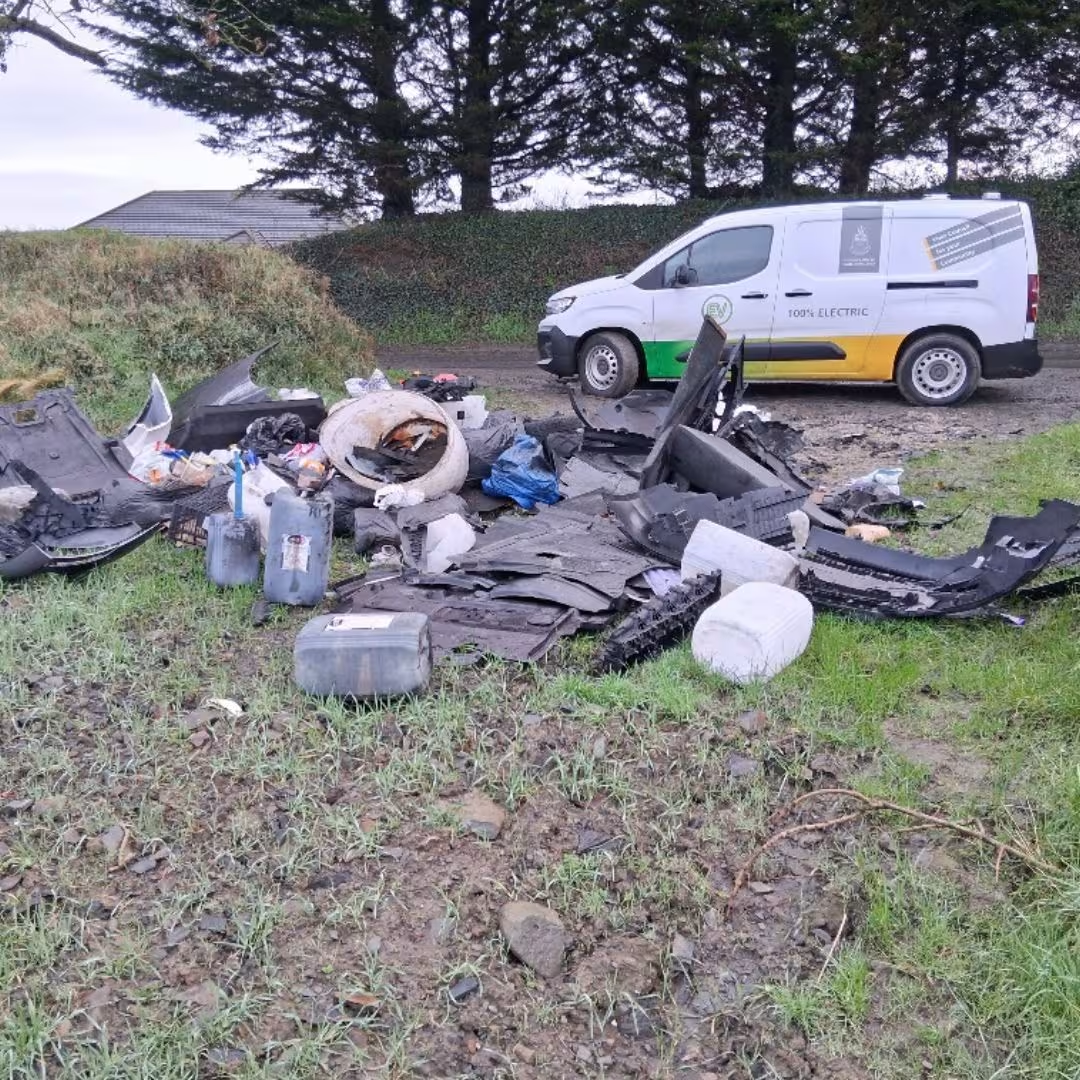
Tackling illegal dumping is not just about enforcement. Local authorities take a broader approach, combining enforcement with education and community engagement.
Awareness campaigns play an important role in helping people understand their responsibilities when it comes to waste. This includes clear information on how to dispose of different types of waste, how to choose authorised collectors, and the risks of getting it wrong.
Local authorities also support communities to take action themselves, recognising that local pride and involvement can play a big role in preventing dumping. Community groups, residents’ associations, and Tidy Towns committees regularly organise clean-ups and environmental projects, often with support from their local authority.
Margaret Whelan says this support is readily available. If groups get in touch, local authorities can provide practical resources such as litter pickers, gloves, high-visibility vests, and bags to help them carry out clean-ups safely and effectively.
By supporting communities in this way, local authorities are not just dealing with waste after it appears—they are helping to build a shared sense of responsibility for keeping areas clean.