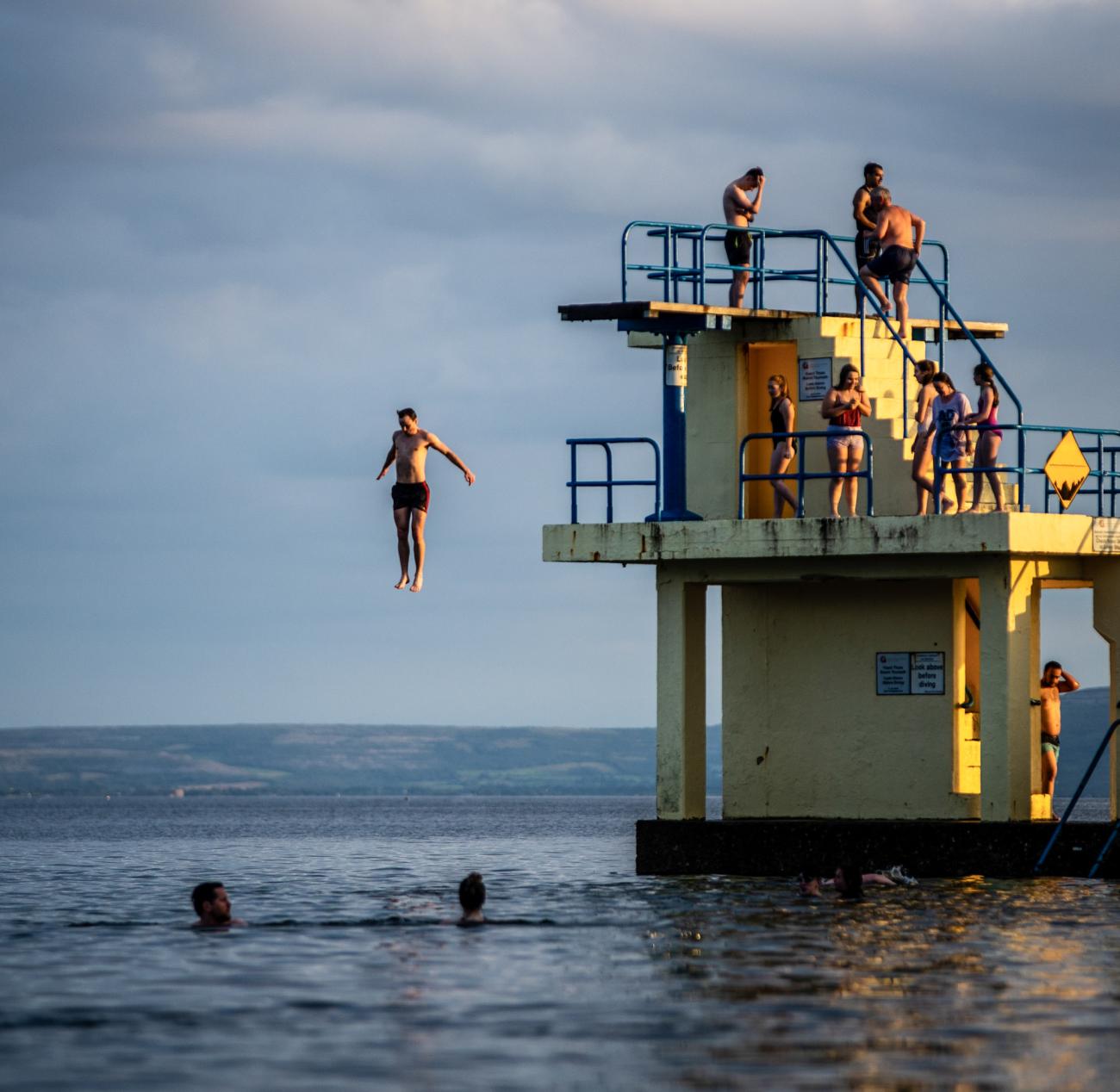
A day in the life of a lifeguard
Every summer, trained lifeguards take up positions on beaches and rivers across Ireland, watching over popular outdoor spaces and keeping swimmers safe. It is a role that requires skill and responsibility, but it can be a great opportunity for people who enjoy the outdoors and love meeting new people. Here’s what the job involves.
How do you become a lifeguard?
Paraic, a lifeguard with Meath County Council, says his path into the role was through a four-week lifeguard training course he took in the spring of 2025. It taught him open water rescue techniques, CPR, first aid and risk assessment.
The course was intensive but very rewarding. "Throughout the course you improve massively,” he says. By the start of that summer he was offered a lifeguard role at Bettystown Beach.
Lifeguarding is a seasonal role. Beach lifeguards typically work weekends only in the month of June and then switch to full time in July and August. Paraic’s working day ran from 11am to 7pm, lining up with peak beach use.
He loved his first summer on the job and intends to return to Bettystown again this year.
Fitness and skills
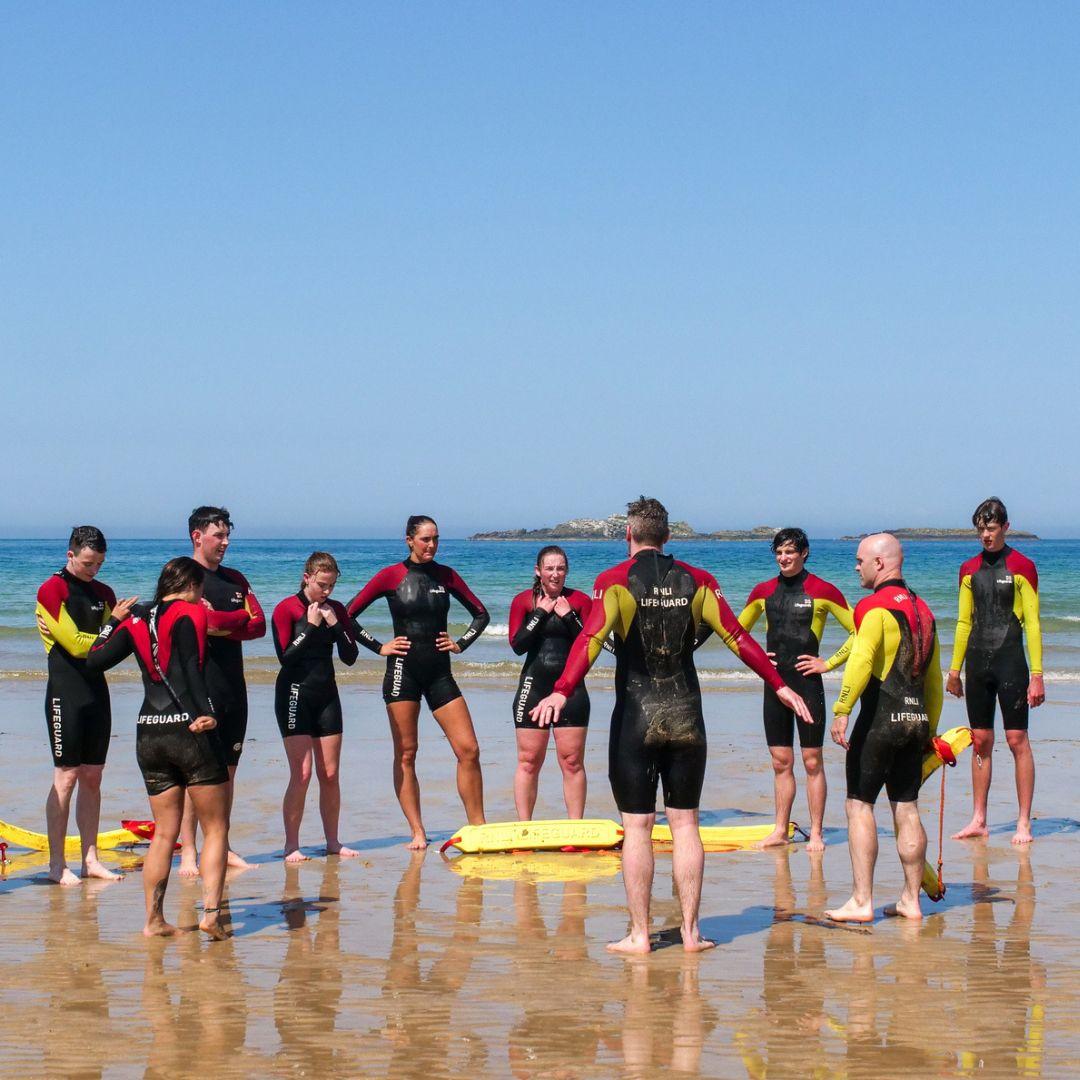
To qualify as a lifeguard, candidates must be good swimmers. They should be able to swim 400 metres in the sea within a set time and be confident across different strokes: front crawl, breaststroke, and backstroke. When they receive certification it's valid for two years and must be renewed to continue working.
In addition to the training, Paraic feels the experience he's gaining in the role is very valuable. "You’re always learning and getting better when you’re on the job,” he says.

The day to day
The lifeguard’s day starts while the beach is still quiet. Paraic checks his equipment, assesses sea conditions, and notifies the coastguard and his Water Safety Development Officer that he is on duty. If conditions are safe, the red-and-yellow flags go up to mark the supervised swimming area. If not, a red flag is flown and swimming is not permitted.
Once the beach is open, Paraic patrols the area and keeps a constant watch on swimmers and beachgoers.
Lifeguards spend a lot of time interacting with the public. People regularly approach Paraic with questions about the beach or local conditions. Basic first aid is also part of daily life and he'll help people deal with jellyfish stings, slips on rocks, and cuts or grazes.
Thankfully rescues are rare, he says, and his first summer passed without any serious incidents. The lifeguard’s role is mainly about prevention: spotting problems early and stepping in before anything goes wrong. Staying alert and ready to act at all times is key. It’s always better to prevent danger than respond after the fact.
Perks of the job
For Paraic, the best part of the job is the variety. No two days are the same, and while the training prepares you well, you never quite know what each shift will bring.
"I think it's great," he says. "You get to spend the summer outdoors. You're on the beach, and you get to spend time with people."
The role also fits well with life as a student. Paraic is currently working towards a commerce degree in UCD and he appreciates being able to work full-time in the summer and focus on college the rest of the year.
River lifeguards
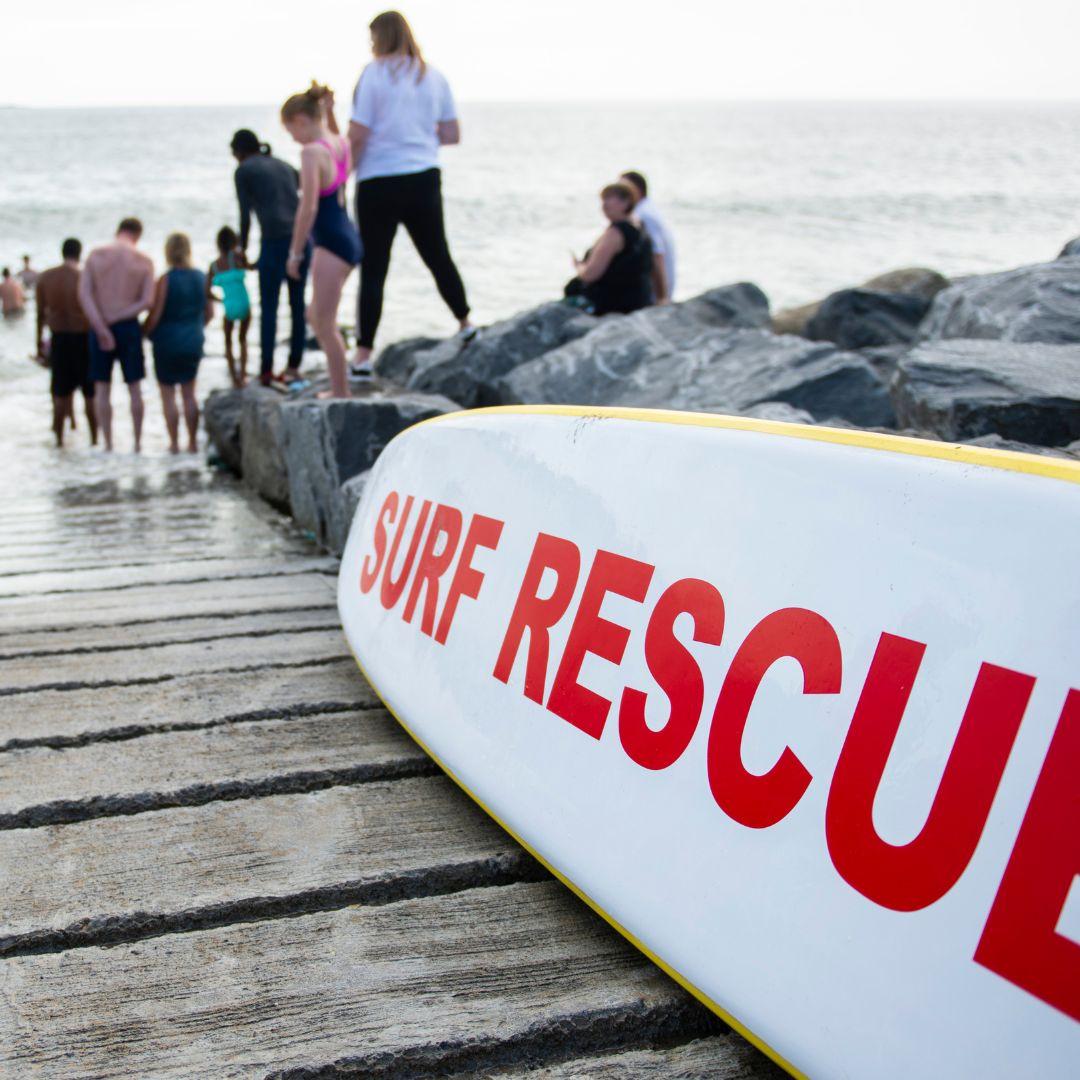
Coastal beaches are not the only location where outdoor lifeguards may be employed. There are also opportunities for lifeguards to work at popular bathing spots along Ireland's rivers.
Caroline Shanahan is Water Safety Development Officer with Carlow County Council. She explains that rivers present unique challenges for water safety, and require river lifeguards to possess special skills.
"River water is always moving," she says, "creating dangers that may not be visible from the riverbank." For this reason river lifeguards carry out risk daily risk assessments when they are on duty.
Cold water shock is also a hazard of river swimming. A deep river might look enticing on a warm day but the water temperature may be much lower than people expect. If you jump in, your body can react instinctively by gasping for air. It can be very dangerous, disabling even experienced swimmers. River lifeguards are trained to educate the public about the risk, and they know how to take action if an incident occurs.
Interest in river swimming and open water activities has grown in recent years. This makes the role of river lifeguard more important than ever. They help support these activities and keep people safe.
From lifeguards on our beaches to safe, well managed rivers and recreation spaces, discover how your local city or county council supports leisure and outdoor amenities on the Leisure and recreation page.