Celebrating Heritage Week: Discover the stories, places and traditions around you
National Heritage Week returns this August, bringing hundreds of events to communities across Ireland. From guided walks and historical talks to biodiversity activities, family workshops and skills demonstrations, Heritage Week offers people of all ages an opportunity to discover and celebrate the heritage that shapes their local area.
This year's theme is Heritage at Risk, which encourages us to explore aspects of our heritage that are vulnerable or endangered, and consider how we can respond. A collaboration between the Heritage Council, local authorities, heritage groups, community organisations and volunteers, the programme showcases the rich natural, cultural and built heritage found throughout the country.
Keeping traditions alive
Long before sauna culture started trending in Ireland, Leitrim had its own version. Traditional sweat houses, built to heat and sweat out illness, were in use in the county for centuries — and Leitrim has more of them than anywhere else in Ireland. Of the roughly 280 sweat houses recorded across the country, well over 100 exist in the county.
These igloo-like little buildings are about two metres in height, with a small entrance at ground level that you have to get on hands and knees to pass through.
"They're dry stone structures. They look a bit like the beehive huts on Skellig Michael," says Sarah Malone, Heritage Officer with Leitrim County Council. Preparing them for a sweat session involved lighting a fire inside for few hours in advance. Once they were hot enough and the embers cleared, a capstone sealed the top and people crawled inside to sweat out their ailments.
Sweat houses weren’t without risks. "You wouldn't do it on your own because people could faint,” Sarah says. "Somebody would be there to make sure you were okay."
Many sweat houses stand close to a river or lake, so after a sweat session a cold plunge could follow.
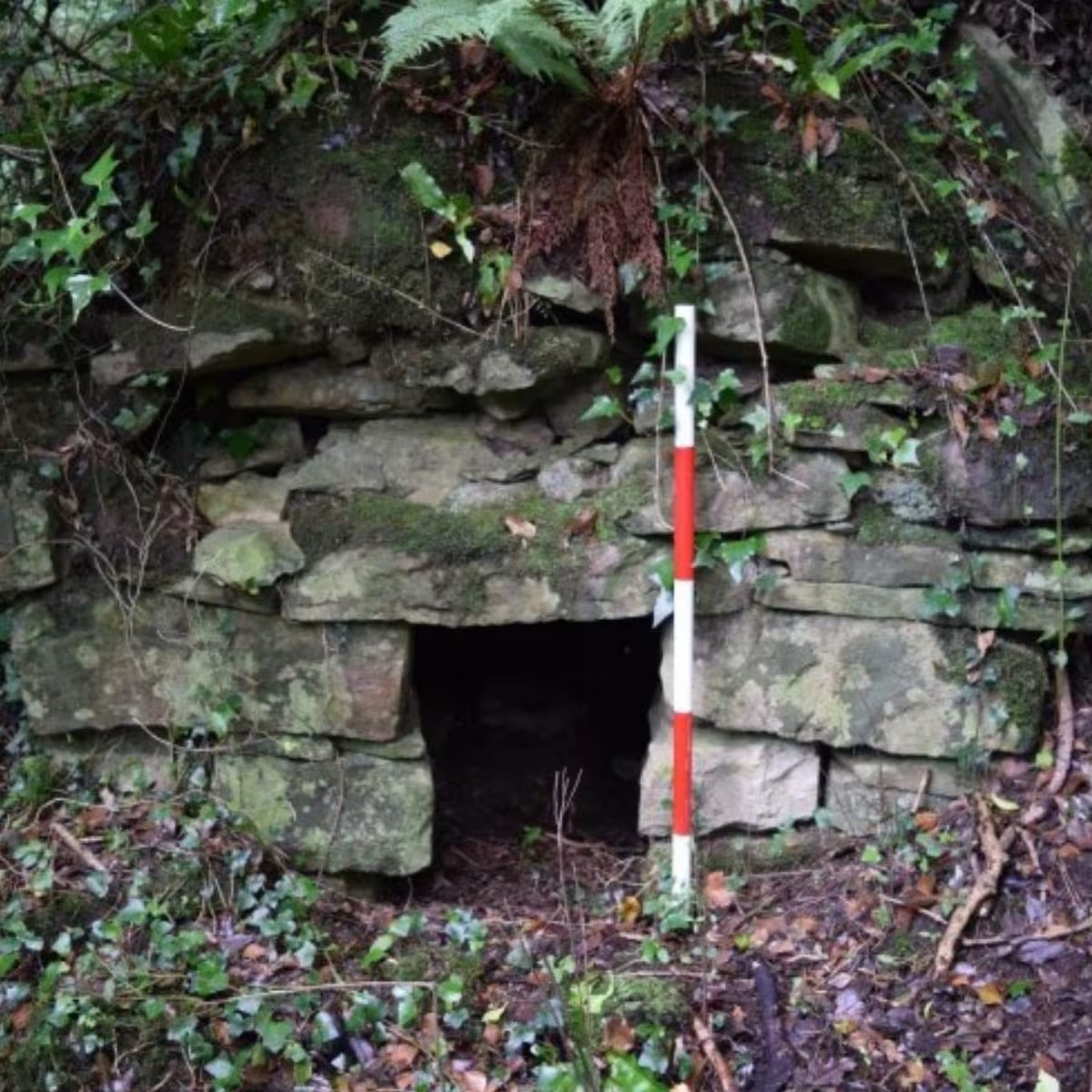
We don’t know exactly when sweat houses first started, but written records show they were already being used back in the 1700s and oral histories show that the sweat house practice continued right into the early 1900s. Many have now collapsed, leaving only a footprint in the ground. "They weren’t built to last," Sarah says. "If they're in a field and the capstones get knocked off, they can disintegrate quite quickly."
During Heritage Week, archaeologist Katie Kearns will lead a talk at St Hugh's Well and sweat house in Cleighran More, Ballinagleragh, Co Leitrim on Irish folk medicine past and present, and how it compares to traditions elsewhere. Booking is not essential. Check the Heritage Week website for details.
According to Sarah Malone, protecting heritage is about more than preserving physical sites. "Heritage is what you choose to protect and pass on for future generations," she says. "It's about holding on to what we value most, celebrating it, and making sure it's protected. That goes for physical archaeology and buildings, but also culture, traditions and practices that are passed on. The intergenerational aspect is really important — children with their grandparents, for example."
Monaghan: inspiring children's interest in history
The theme of this year's Heritage Week — heritage at risk — reminds us that history and traditions can fade unless they are passed on to the generations that follow. That's why many of Monaghan's Heritage Week events focus on activities for children, helping to nurture their interest.
At the Big Dig event in Castleblayney, for example, children excavate a replica Viking house with the School of Irish Archaeology, digging for hidden artefacts and learning how archaeologists piece together clues from the past. Coin-making and coin pouch-making workshops run alongside it, so children can take home a souvenir they made themselves.
"Kids absolutely love it," says Kara Ward, Heritage Officer with Monaghan County Council. "They love getting stuck in and finding things."
In the same spirit, Monaghan's libraries are running a scavenger hunt around Castleblayney throughout Heritage Week. Families follow clues inspired by the town's old streets, historic buildings, park and local landmarks, uncovering stories about the people and events that shaped the town — with a prize draw for those who complete it. It's a fun way for children to explore their town's history.
Longford: bringing musical heritage to life
Ireland's musical heritage must also be passed on so it can continue to thrive. Music and oral traditions can be just as vulnerable as historic buildings. Tunes and stories from the past only live on if people keep sharing them.
In Longford, a Heritage Week performance called Celtic Kindness does exactly that. The show, performed by the trio Celtic Grace, tells the story of Turlough O'Carolan, the blind 18th century harper and composer whose hundreds of tunes are still played today. Combining live music, poetry and storytelling, it introduces audiences to O'Carolan's life and legacy.
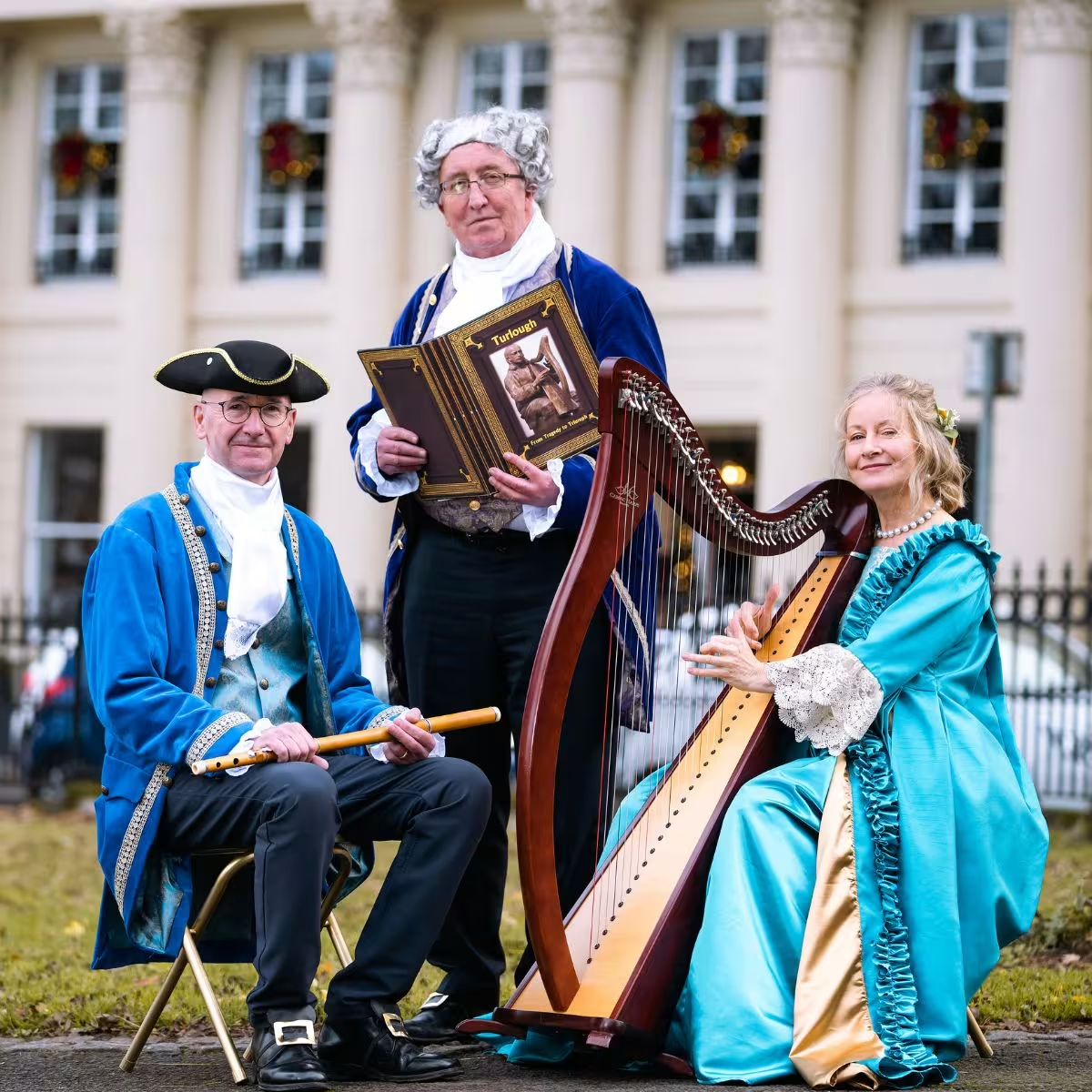
The performance takes place on The Green in Edgeworthstown on 20 August, from 7:30pm to 9pm, with more information available from the Maria Edgeworth Visitor Centre.
Leitrim's sweat houses, Monaghan's young heritage explorers, and the musicianship of O’Carolan all point to the same thing: heritage is both priceless and vulnerable, and this year’s Heritage Week offers so many ways to help celebrate and preserve it. Whether it's visiting a local heritage site, attending an event, or learning a traditional skill, Heritage Week offers an opportunity for everyone to play a part in safeguarding Ireland's heritage for future generations.
Heritage Week runs from 15 to 23 August, with events in every county. For details of what's on nearby visit HeritageWeek.ie.